

Santa Reparata Church and the mosaic carpet
Santa Reparata Church in Florence
mosaic carpet
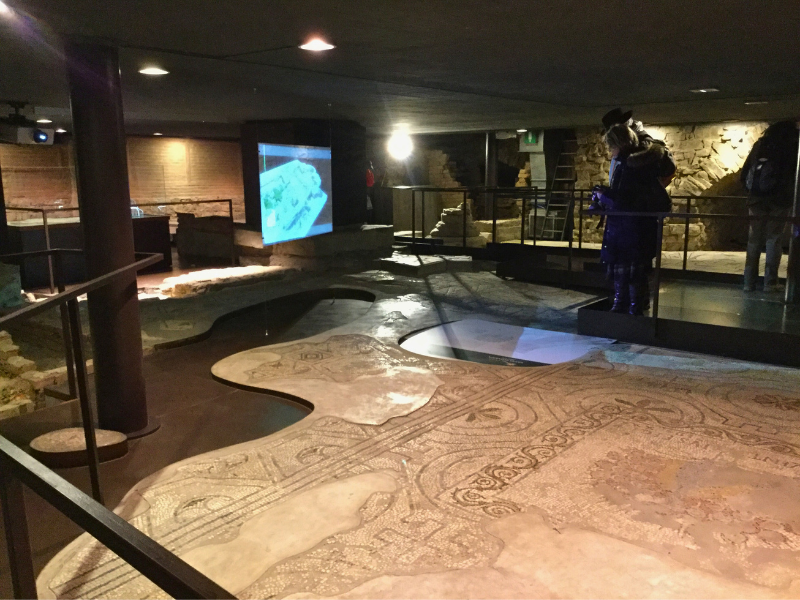
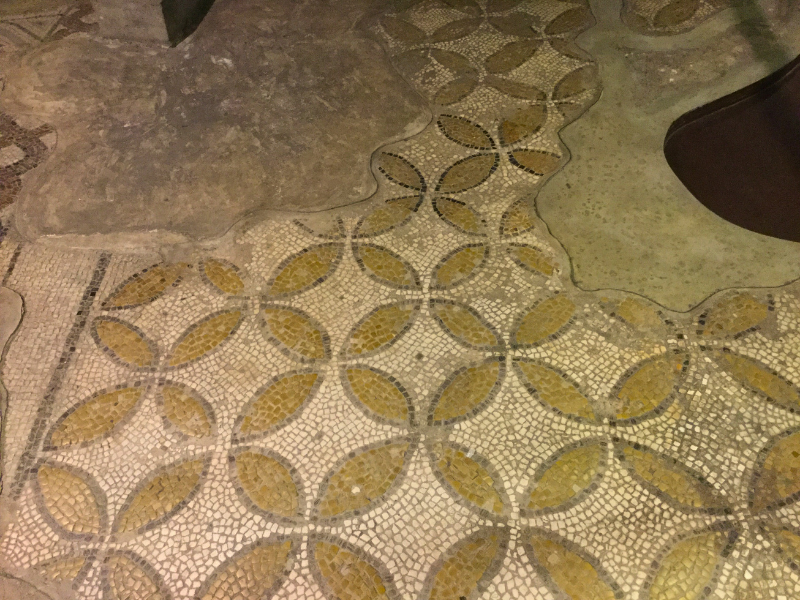
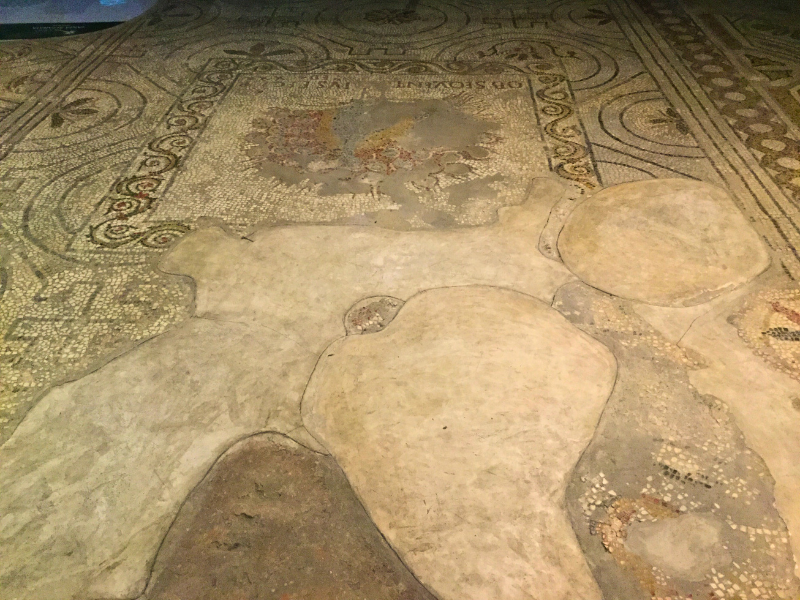
In 1974, the public gained access to an archaeological area beneath the current cathedral of Florence after nearly a decade of excavation. The findings offer a unique view into the city's urban development between the 1st and 14th centuries AD. The early Christian cathedral was constructed in the first few decades of the 5th century AD within the walls of ancient Rome that had been urbanized since the end of the 1st century BC. According to medieval traditions, the church was built to commemorate the defeat of Radagaisus's barbarian armies in 405 AD, which took place near Florence on the day dedicated to Saint Reparata. The cathedral was one of the largest and most magnificent church buildings in the Tuscia region, although its original dedication is unknown. The beautiful mosaic carpet, created by North African craftsmen and funded by Florence's ecclesiastical and aristocratic elites, is evidence of the city's vitality in the 5th century AD. The early Christian structure was renovated and expanded during the High Medieval and Romanesque periods and served as Florence's cathedral until it was demolished in the late 14th century. By that time, construction on the current Cathedral (i.e. the Duomo) was already well underway.
Altri articoli
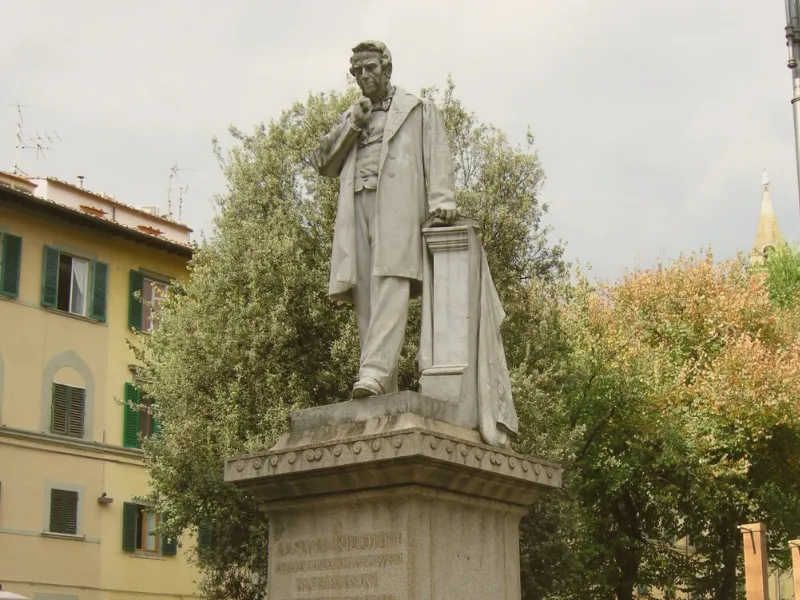
The marquis Cosimo Ridolfi
Cosimo Ridolfi was even elected Minister of Education and Senator after the unification of Ital
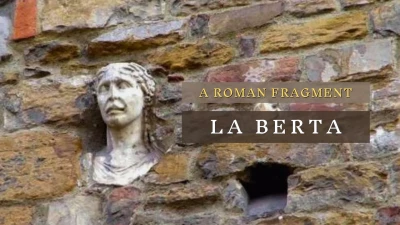
Legendary florentine character, La Berta
A Roman fragment in the heart of Florence.
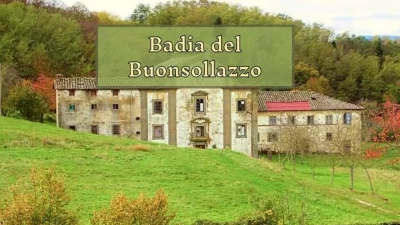
Badia del Buonsollazzo
Dante himself, two centuries after his death, placed "the Great Baron" in the 'Paradiso'

Pretorio Palace
The restoration works conducted in 2020-2021