

Pretorio Palace
Petrorio Palace
Sesto Fiorentino, near Florence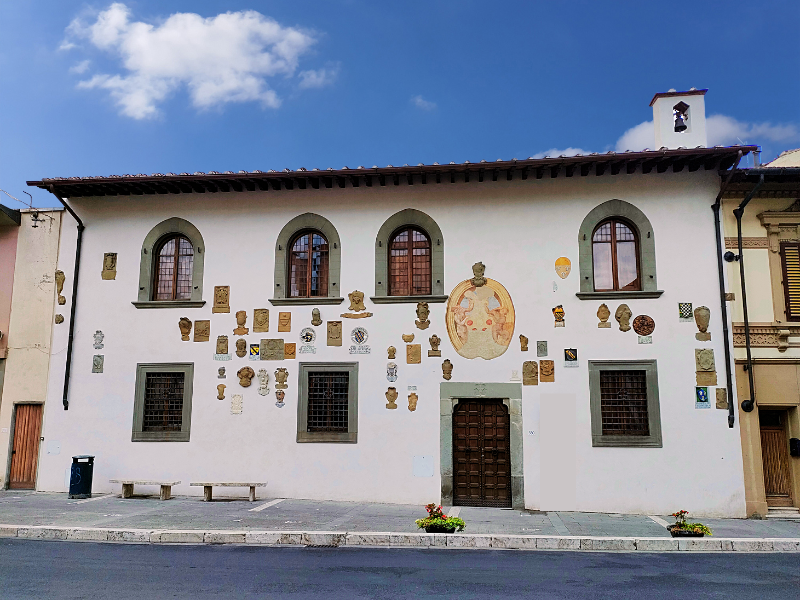
The Palace was built at the end of the 15th century as the seat of the Mayor, who stood for the political authority of Florence. We can still notice the different emblems of the families who were in charge between the 15th and the 16th century on a portion of the ancient wall. After a reform of the Statute of the Grand Duchy of Tuscany in 1848, the Palace became the seat of the Magistrate's Court. During the second half of the 19th century it lost its public function to become an archive of the records. In 1929, after a restoration work which led the front of the building to its current configuration, the Palace was converted to the local headquarters called Casa del Fascio. Since 1947 the building has become a city property again, and it has been used as a cinematograph and as the house of different political parties until the 1990s. During the works conducted in 2020 due to the needing of structural reinforcements, we were able to bring to light the ancient prison cell, but also masonry walls and findings dating back to the 14th century, or even from the classical era.
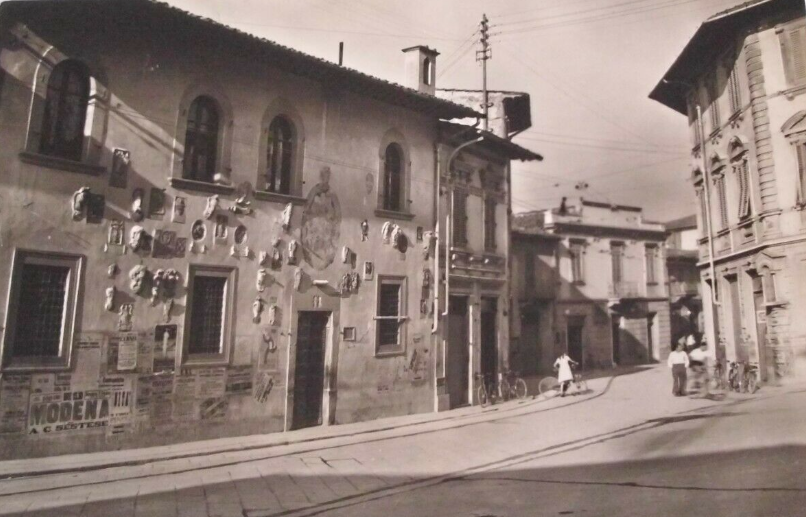
Pretorio Palace, years '50
Altri articoli
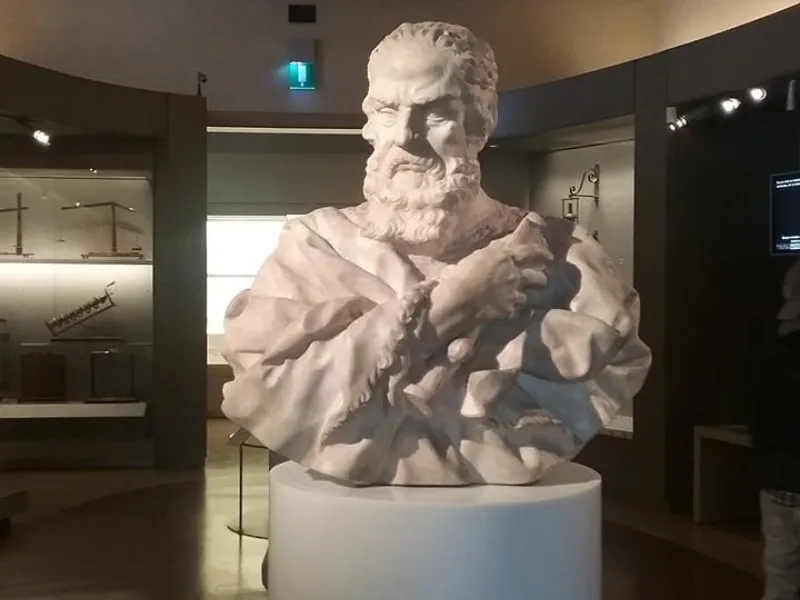
Galileo Galilei kneels in front of the church
In 1632 the scientist published his "Discorso sui massimi sistemi" and he risked to be burnt at the stake
Gambassi Terme
Prominence on Via Francigena.

The Tuscan Cigar
The Tuscan cigar, born from a mishap in 1815, became an iconic product in Florence. Its affordable price and unique taste made it popular.
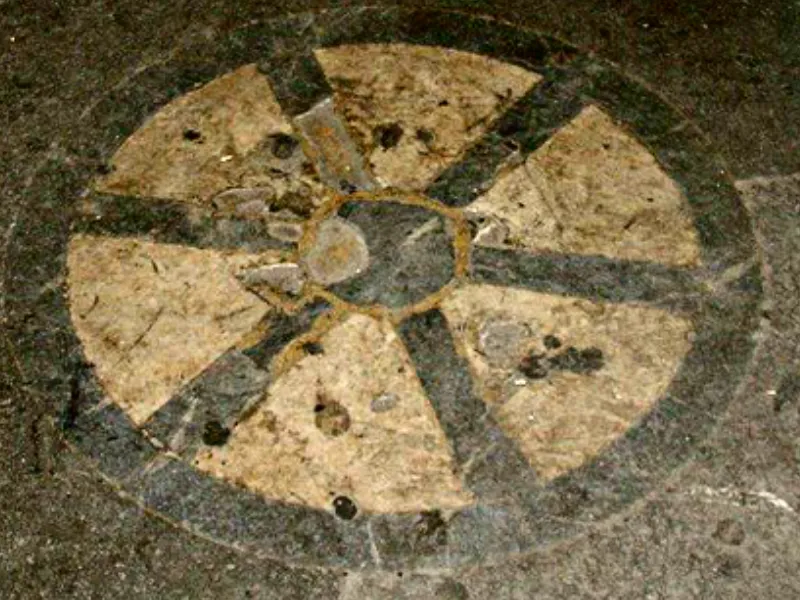
The stone of the outrage
From 1282 priors were representatives of the seven Major guilds: they fighted against the old aristocratic families revenging an active role of trade in Florence.